
Many infants expertise tummy troubles, and gasoline is a typical downside. Parenting brings quite a few joys, nevertheless it additionally comes with its challenges, particularly when figuring out the explanations behind a child’s discomfort. Fuel in infants is a typical concern for fogeys or caregivers, whereas quite a few elements contribute to this difficulty, the query of whether or not a pacifier could possibly be a offender typically arises. Understanding whether or not a pacifier causes gasoline in infants includes exploring varied points of their feeding habits and luxury.
Pacifiers can result in gasoline in infants in just a few methods, together with after they swallow air, after they disrupt their regular feeding patterns, and after they trigger bacterial overgrowth. As an professional pediatrician, I’ll discuss in regards to the potential connection between pacifiers and gasoline in infants, focus on the proof, and provides recommendations on how you can cut back the chance of gas-related discomfort.
What are pacifiers?
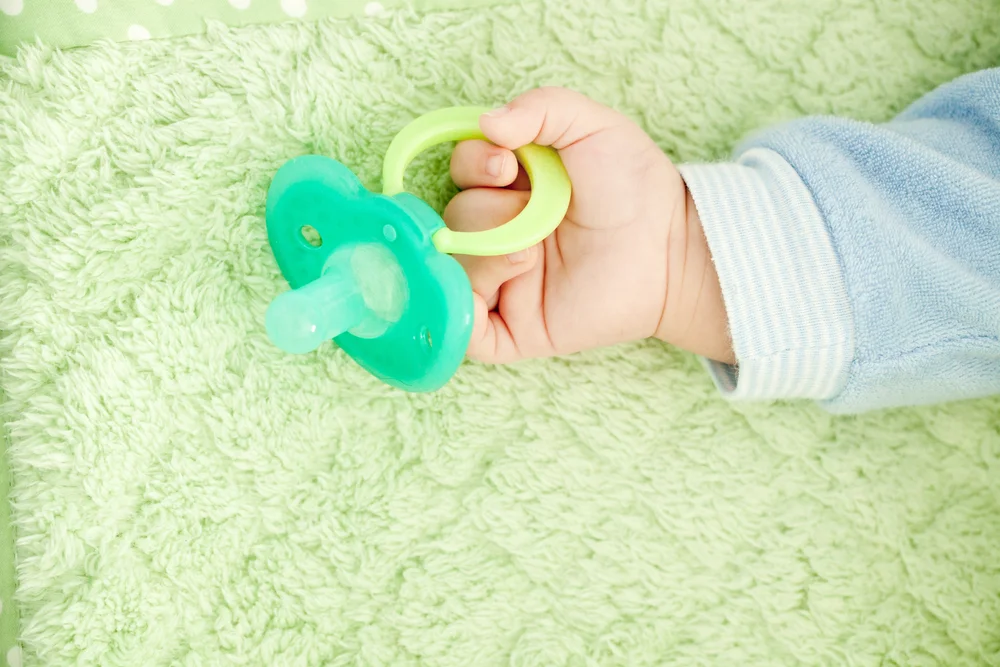
Pacifiers, also called soothers or binkies are small, nipple-shaped units designed for infants to suck on. Created from supplies like silicone or latex, pacifiers present consolation and can assist fulfill a child’s pure sucking intuition. They’re generally used to assuage and calm infants, significantly during times of fussiness or when they’re making an attempt to go to sleep. Pacifiers can be found in varied sizes and styles, and their use is a private alternative for fogeys, though some advocate for restricted and cautious use to keep away from potential points with dental growth or dependency.
Do Pacifiers Trigger Fuel in Infants?
Utilizing pacifiers with infants could be a useful device for soothing and comforting, and so they usually don’t trigger gasoline points on their very own. Nevertheless, it’s essential to be conscious of how pacifiers are launched and used. Vigorous sucking on a pacifier can result in air swallowing, doubtlessly contributing to gassiness. Moreover, if pacifiers disrupt common feeding schedules or are used instead of feeding, it would influence the child’s total milk consumption and contribute to hunger-related air swallowing. Correct utilization, a delicate sucking movement, and making certain that pacifiers complement slightly than exchange common feedings can assist decrease any potential affiliation with gasoline discomfort in infants. If considerations persist or if there are indicators of persistent discomfort, consulting with a pediatrician is advisable for customized steering.
What’s the connection between Pacifiers and Fuel in infants?
The connection between pacifiers and gasoline in infants lies within the potential for elevated air swallowing throughout pacifier use. Whereas pacifiers themselves don’t inherently trigger gasoline, a child’s sucking motion on the pacifier could result in the ingestion of air. Extreme or vigorous sucking may end up in the child swallowing extra air than traditional, which can contribute to gassiness.
It’s important for fogeys to be attentive to the child’s sucking sample and use pacifiers in a managed method. Making certain a delicate and acceptable latch on the pacifier can assist decrease the consumption of air. Moreover, if pacifiers are launched in a means that disrupts common feeding schedules or replaces feeding periods, it might influence the child’s total milk consumption and doubtlessly result in hunger-related air swallowing throughout subsequent feedings.
In abstract, whereas pacifiers themselves should not a direct explanation for gasoline, the way through which they’re used can affect a child’s air consumption, doubtlessly contributing to gassiness. Being conscious of pacifier use, feeding practices, and the child’s total consolation can assist mitigate any potential points. If considerations persist, consulting with a pediatrician is advisable for customized steering.
Find out how to Relieve Fuel in Infants?
In case your child is experiencing gasoline, there are some things you are able to do to assist relieve the discomfort:
- Burp your child regularly: Burping your child often throughout and after feedings can assist launch trapped air from the higher digestive tract.
- Therapeutic massage your child’s tummy: Gently massaging your child’s tummy can assist transfer gasoline by means of the digestive system.
- Apply a heat compress: Making use of a heat compress to your child’s tummy can assist ease discomfort.
- Strive gripe water: Gripe water is a pure product that may assist relieve gasoline in infants.
- Change your child’s feeding place: Strive totally different feeding positions to see if one helps your child swallow much less air.
- Hold a meals diary: Monitoring what you eat can assist you determine any meals that could be inflicting your child gasoline.
- Discuss to your physician: In case your child’s gasoline is extreme or doesn’t enhance with residence care, discuss to your physician. They could suggest treatment or different therapies.
- Probiotics: Focus on along with your pediatrician the choice of introducing probiotics to advertise a wholesome stability of intestine micro organism, which can support in digestion.
Listed below are some extra suggestions to assist cut back the chance of gasoline in infants:
- Restrict pacifier use: Goal to restrict pacifier use to soothing, not as an alternative choice to feeding.
- Select the proper pacifier: Choose a pacifier with a nipple that’s the acceptable dimension and form in your child’s mouth to cut back air swallowing.
- Hold pacifiers clear: Frequently clear and sterilize pacifiers to forestall the expansion of micro organism.
- Breastfeed: Breastfeeding can assist cut back the chance of gasoline in infants.
- Use a slow-flow bottle: Utilizing a slow-flow bottle can assist your child swallow much less air throughout feedings.
- Keep away from letting your child cry: Crying may cause your child to swallow extra air.
- Feed your child at room temperature: Chilly milk or components may cause your child to swallow extra air.
- Hold your child upright: Maintaining your child upright after feedings can assist stop spit-up, which may introduce extra air into the abdomen.
- Hold observe of your child’s bowel actions: Constipation could make gasoline worse. In case your child is constipated, discuss to your physician.
Are pacifiers Good for Infants?
Sure, pacifiers can provide advantages for infants. They’ll soothe and luxury infants, aiding in leisure and doubtlessly decreasing the chance of Sudden Toddler Demise Syndrome (SIDS) throughout sleep. Nevertheless, their extended use or introduction at inappropriate occasions could pose dangers, corresponding to dental points or nipple confusion throughout breastfeeding. Moderation and cautious consideration of a child’s wants are key when utilizing pacifiers.
Additionally Learn: How Many Pacifiers Do I Need for Baby? (Best Guide!)
Place to Relieve Fuel in Infants
Actually! Listed below are some positions that may assist relieve gasoline in infants:
- Over the Shoulder: Maintain your child upright towards your shoulder, supporting their head and chest along with your hand. Gently pat or rub their again to encourage burping and the discharge of trapped gasoline.
- On the Lap: Sit your child in your lap, going through away from you, whereas supporting their chest and head along with your hand. Gently lean them ahead barely and pat their again to assist launch gasoline.
- Tummy Time: Place your child on their tummy whereas they’re awake and supervised. This place encourages motion and may support in passing gasoline.
- Bicycle Legs: Lay your child on their again and gently transfer their legs in a biking movement, mimicking using a bicycle. This motion can assist relieve gasoline by stimulating the digestive system.
- Knee-to-Chest: Whereas your child is mendacity on their again, gently deliver their knees up in the direction of their chest and maintain for just a few seconds, then launch. Repeat this movement as wanted to help in passing gasoline.
- Tiger within the Tree Pose: Lay your child face down alongside your forearm, with their stomach resting in your arm and their head supported. Gently pat or rub their again to assist launch gasoline.
Keep in mind, these positions can fluctuate in effectiveness from child to child. Experiment with totally different positions and actions to seek out what works greatest to alleviate your child’s gasoline discomfort.
Can I Use a Pacifier for My Breastfed Child?
Sure, you need to use a pacifier in your breastfed child, nevertheless it’s essential to introduce it on the proper time to keep away from potential points. As a pediatrician, I’m advising to attend till breastfeeding is effectively established, usually round 3 to 4 weeks, earlier than introducing a pacifier. This delay permits your child to turn into accustomed to breastfeeding and reduces the chance of nipple confusion, which could have an effect on correct latch throughout breastfeeding periods. Moderation is essential; provide the pacifier sparingly, significantly throughout occasions when your child wants soothing or for non-nutritive sucking. At all times prioritize feeding cues over pacifier use, making certain your child’s starvation is addressed by means of breastfeeding. 58% moms proceed breastfeeding for the 2 years of age. Choose pacifiers designed for infants and keep correct hygiene by often cleansing and inspecting them for any indicators of harm. Consulting with a lactation advisor can present tailor-made steering relating to using pacifiers with a breastfed child.
What are the protection issues when selecting a pacifier for a child?
Completely, listed here are the protection issues for selecting a pacifier for child:
- Age Appropriateness: Make sure the pacifier is designed for infants and matches your child’s age.
- One-Piece Design: Go for pacifiers with a one-piece building to forestall elements from detaching.
- Protect Dimension: The defend ought to be bigger than your child’s mouth to forestall swallowing.
- Air flow Holes: Test for air flow holes within the defend for airflow and to forestall pores and skin irritation.
- Protected Supplies: Select pacifiers fabricated from non-toxic supplies like medical-grade silicone or latex, avoiding BPA.
- Common Inspection: Test for indicators of damage, cracks, or harm and discard deteriorated pacifiers.
- Safe Nipple: Make sure the nipple is firmly hooked up to the defend; check for any indicators of weak spot.
- Hygiene Upkeep: Wash pacifiers often with heat, soapy water and sterilize them periodically, particularly when new or after they’ve been dropped.
Adhering to those security tips can assist you choose a pacifier that prioritizes your child’s security and luxury. At all times supervise your child throughout pacifier use and promptly exchange any broken or worn pacifiers.
5 Alternate options to Pacifiers
There are some alternate options to pacifiers for soothing your child:
1. Swaddling: Wrapping or swaddling your child snugly in a blanket mimics the safe feeling of being within the womb, offering consolation and decreasing fussiness.
2. Pores and skin-to-Pores and skin Contact: Holding your child near your pores and skin creates a way of safety and heat, typically calming them down.
3. Rocking or Swinging: Gently rocking or swaying your child in your arms or a child swing can assist soothe them.
4. White Noise or Shushing: Delicate, repetitive seems like white noise machines, light shushing, or rhythmic sounds imitating the womb atmosphere can have a chilled impact.
5. Babywearing: Utilizing a child provider or sling retains your child shut whereas permitting you to maneuver round, offering consolation and safety.
Debunking Frequent Myths
Actually! Let’s debunk some widespread myths surrounding pacifiers and gasoline in infants:
Fantasy 1: Pacifiers Trigger Fuel:
There’s no direct correlation between pacifier use and gasoline in infants. Fuel in infants is primarily brought on by the swallowing of air throughout feeding or crying, not usually from pacifier use.
Fantasy 2: Pacifiers Create Colic:
Colic, characterised by extended durations of crying in infants, isn’t straight linked to pacifier use. Colic’s causes are multifactorial, involving varied elements corresponding to immature digestive methods, sensitivity to sure meals, or overstimulation, however not solely pacifier utilization.
Fantasy 3: Pacifiers Intrude with Digestion:
Pacifiers don’t hinder digestion or trigger extreme gasoline in infants. Fuel issues often stem from the way in which infants feed or swallow air throughout breastfeeding or bottle feeding slightly than utilizing a pacifier.
Fantasy 4: Pacifiers Enhance Reflux:
Pacifiers don’t essentially exacerbate reflux in infants. Reflux is often associated to the immature digestive system and a weak decrease esophageal sphincter, not solely as a result of pacifier use.
Fantasy 5: Pacifiers Make Infants Hungrier:
There’s no conclusive proof that pacifiers enhance starvation in infants. Whereas pacifiers present consolation and non-nutritive sucking, they don’t influence starvation cues related to feeding occasions.
It’s essential to do not forget that every child is totally different, and whereas pacifiers may not straight trigger gasoline or different digestive points, some infants would possibly expertise discomfort. At all times observe your child’s reactions and seek the advice of a pediatrician for steering on pacifier use you probably have considerations about gasoline or every other points.
Conclusion:
Pacifiers can provide soothing consolation for infants however their connection to gasoline points requires clarification. Whereas circuitously inflicting gasoline, improper pacifier use would possibly result in elevated air consumption, contributing to gassiness. Correct utilization, together with frequent burping and various feeding positions, can mitigate gasoline discomfort. The timing of pacifier introduction to breastfed infants is essential to keep away from affecting breastfeeding. Emphasizing security in selecting pacifiers and exploring different soothing strategies is important. Dispelling myths surrounding pacifiers and gasoline supplies correct insights for fogeys. At all times search steering from a healthcare skilled, contemplating particular person child wants and behaviors.
FAQ’s
Q1: Can utilizing a pacifier trigger colic in infants?
There’s no direct proof linking pacifier use to colic in infants. Colic has multifactorial causes and isn’t solely attributed to pacifier utilization.
Q2: Is there a selected pacifier kind that reduces gasoline in infants?
Whereas there isn’t a pacifier explicitly designed to forestall gasoline, deciding on one with a one-piece design, acceptable dimension, and secure supplies can decrease potential points.
Q3: Can pacifiers worsen reflux in infants?
Pacifiers usually don’t exacerbate reflux in infants. Reflux is extra intently associated to a child’s immature digestive system than pacifier use.
This autumn: Do pacifiers have an effect on breastfeeding and gasoline points?
Introducing a pacifier too early, earlier than breastfeeding is effectively established, would possibly have an effect on correct latch throughout breastfeeding. Nevertheless, reasonable and timed use shouldn’t essentially result in gasoline points.
Q5: Are there particular feeding positions that stop gasoline, no matter pacifier use?
Sure, varied feeding positions, like upright or semi-upright positions, can assist stop gasoline by decreasing air consumption throughout feedings, regardless of pacifier use.
Q6: How can I do know if my child’s gasoline points are associated to the pacifier?
Fuel points can have a number of causes. If you happen to suspect a correlation with pacifier use, attempt limiting the utilization and observing modifications in your child’s discomfort ranges. If the signs persist, seek the advice of a pediatrician for steering.
Learn additionally: When Can Baby Hold a Pacifier in Mouth?


