
As a guardian, it may be irritating when your child is taking part in with their bottle as a substitute of consuming. You wish to be certain they’re getting sufficient nourishment, however they appear extra fascinated by batting the bottle round than consuming the milk or formulation inside. This habits, whereas irritating, is a traditional a part of a child’s development. Infants are naturally curious concerning the world round them, they usually use their arms and mouths to discover every part, together with their bottles. They might shake the bottle to see what occurs, squeeze it to look at the newborn bottle nipple change form, or chew on it to appease their gums.
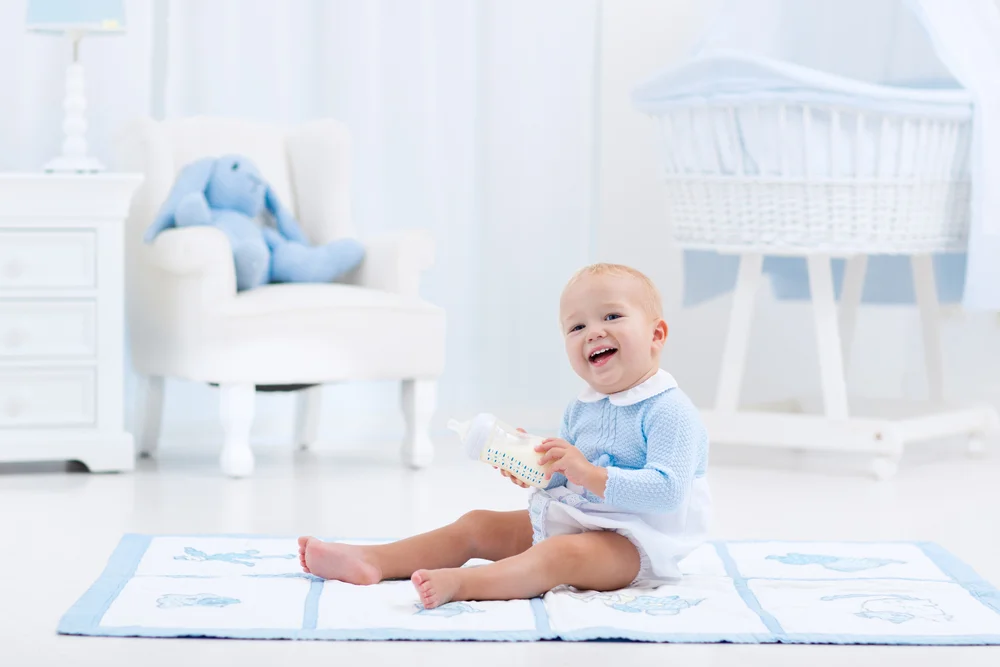
Infants additionally use their bottles for consolation and safety. The soft baby bottle nipple and the acquainted feeling of the bottle might help them really feel calm and relaxed. For some infants, taking part in with the bottle is usually a strategy to distract themselves from starvation. In the event that they’re not fairly able to eat, they might play with the bottle to calm themselves down. As infants become older, they’ll begin to perceive that bottles are for consuming. Nevertheless, they might nonetheless play with them every so often. That is completely regular and doesn’t imply there’s something improper together with your child. Bottle-playing habits might be puzzling for fogeys who count on their little ones to focus primarily on feeding throughout bottle time. Nevertheless, this habits is incessantly linked to a child’s pure curiosity and want to study their environment.
10 Widespread Causes Why your child performs with the bottle as a substitute of consuming
Completely! As a specialist pediatrician, I’m mentioning some widespread explanation why infants would possibly play with their bottles as a substitute of merely consuming from them:
1. Exploring Their Atmosphere:
Infants play with their bottles as a result of they’re naturally curious concerning the world round them. They discover the textures and shapes of the bottle, examine trigger and impact relationships, fulfill their oral curiosity, and have interaction in playful studying. Dad and mom ought to encourage this exploration by offering a wide range of textures and shapes, introducing totally different sounds, observing their pursuits, encouraging exploration throughout feeding breaks, and supervising playtime.
2. Teething Discomfort:
Infants could play with their bottles as a substitute of consuming because of teething discomfort. Teething could cause swollen and sore gums, which might be relieved by chewing on the nipple of the bottle. Moreover, rubbing their gums in opposition to the bottle or taking part in with it will probably distract them from the ache. To encourage infants to drink when they’re teething, supply them the bottle when they’re calm, use a slow-flow nipple, make sure the bottle is clear, supply small and frequent feedings, and experiment with various kinds of bottles and child bottle nipples. In case you are involved about your child’s fluid consumption, discuss to their physician.
3. Looking for Independence:
As infants develop, they start to say their independence. Taking part in with the bottle is likely to be their method of claiming management throughout feeding instances.
4. Curiosity and Studying:
Infants are naturally curious and like to be taught, so that they discover every part round them, together with their bottles. This implies they may play with their bottles as a substitute of consuming from them. Infants prefer to really feel totally different textures and shapes, so that they contact and seize their bottles to study them. In addition they prefer to see what occurs after they do issues, so that they shake their bottles to see the milk swirl inside or squeeze them to look at the nipple change form. Infants additionally prefer to suck on issues, so that they chew on their child bottle nipples or suck on the bottles themselves. All of this taking part in helps infants be taught and develop, so mother and father ought to allow them to discover their bottles in a secure method.
5. Creating Motor Expertise:
Manipulating objects like bottles aids within the improvement of tremendous motor abilities. Infants would possibly play with their bottles to reinforce their hand-eye coordination.
6. Participating Their Senses:
Infants discover textures and shapes by means of contact and play. The bottle would possibly interact their senses, offering a unique tactile expertise.
7. Distraction and Stimulation:
Infants would possibly get simply distracted throughout feeding. Taking part in with the bottle could possibly be a strategy to break the monotony or regain their consideration.
8. Expressing Disinterest or Fullness:
Generally, taking part in with the bottle would possibly point out that the newborn isn’t hungry or has misplaced curiosity in feeding at that second. Baby gets fussy and reveals no real interest in bottle feeding could also be because of fullness and possibly he prefers breastfeeding. He would possibly discover breast feeding extra nourishing and cozy as in comparison with bottle feeding. Shifting to breastfeeding can resolve this difficulty.
9. Mimicking Conduct:
Infants could mimic grownup habits and play with their bottles as a substitute of consuming. Dad and mom can encourage correct bottle utilization by modeling applicable habits, avoiding non-drinking makes use of, offering distractions, sustaining a feeding routine, and responding to cues promptly.
10. Consolation and Safety:
The bottle would possibly supply a way of consolation and safety. Taking part in with it could possibly be a supply of reassurance for the newborn.
Understanding these causes might help mother and father interpret and reply to their child’s habits throughout feeding instances. It’s important to watch and have interaction together with your child to find out their particular wants and preferences throughout feeding.
Associated: Baby Fussy During Bottle Feeding? (The Most Common Reasons!)
Ideas for Encouraging Your Child to Drink

As an skilled pediatrician, I’m mentioning among the ideas for encouraging your child to drink and to not play with bottles. Preserve studying!
- Ensure the circulation fee of the newborn bottle nipple is suitable on your child’s age and sucking potential. If the circulation fee is simply too sluggish, your child could get pissed off and quit. If the circulation fee is simply too quick, they might choke or spit up.
- Supply your child their bottle when they’re hungry, however not ravenous. In case your child is simply too hungry, they might be extra fascinated by taking part in with their bottle than consuming.
- Attempt various kinds of bottles and nipples. Some infants want sure kinds of bottles or nipples over others. Experiment till you discover one which your child likes.
- Create a relaxed and enjoyable setting for feeding. Keep away from feeding your child in noisy or distracting environments.
- Encourage your child to latch on to the nipple correctly. This will take some follow, however it should assist them to get extra milk or formulation out of the bottle.
- Take breaks throughout feedings. Let your child relaxation for a couple of minutes each few ounces. This may assist them to tempo themselves and keep away from overfeeding.4 ounce baby bottles are finest for infants as much as 10 months.
- Be affected person. It might take a while on your child to discover ways to drink from a bottle. Don’t get discouraged in the event that they don’t get it instantly.
Associated: 5 Best Baby Bottles for Feeding-Complete Guide
What To Do When You See Your Child Taking part in With A Bottle As a substitute Of Consuming?
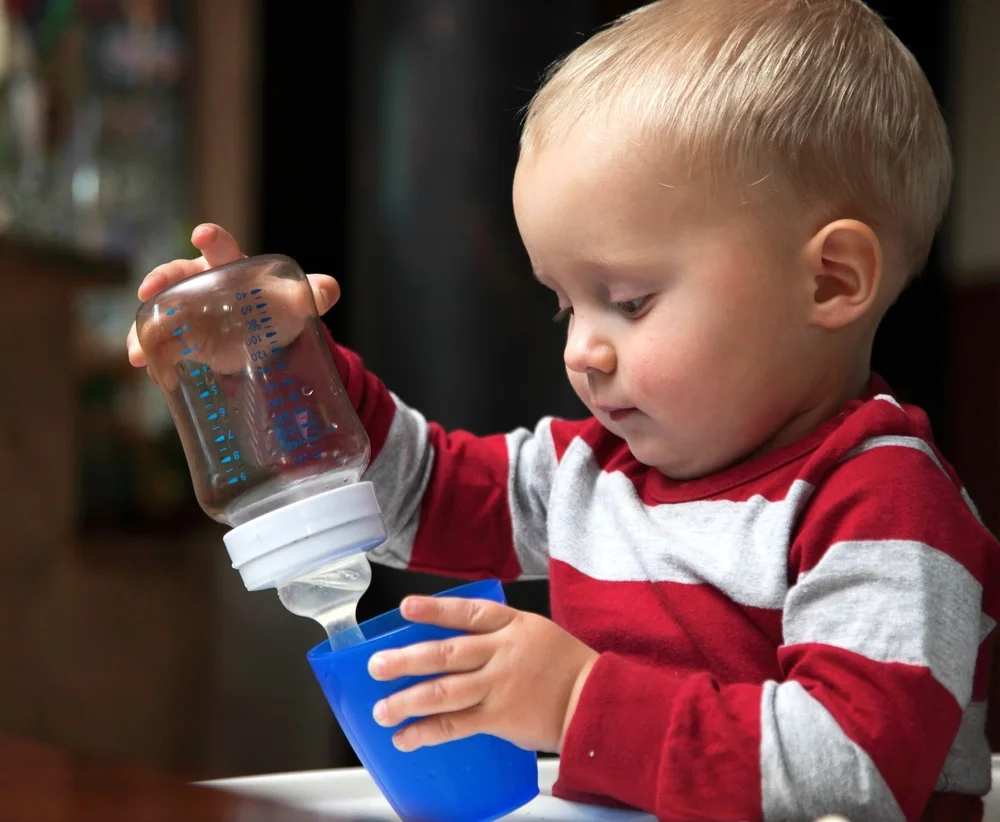
While you discover your child taking part in with a bottle reasonably than consuming from it, listed here are steps you possibly can take:
- Assess the Scenario: Observe your child’s habits and the explanations behind the bottle play. Search for cues like disinterest, discomfort, or distractions.
- Guarantee Consolation: Examine in case your child is comfy and never experiencing any discomfort, comparable to teething ache or hunger. Handle any instant wants earlier than encouraging feeding.
- Encourage Engagement: Gently information your child’s focus again to the feeding by interacting and gently encouraging them to drink. Use soothing phrases and preserve eye contact to re-engage their consideration.
- Modify the Atmosphere: Create a relaxed and cozy setting for feeding. Decrease distractions, scale back noise, and discover a quiet area to encourage targeted feeding.
- Supply Help: Assist your child throughout feeding by holding the bottle or adjusting its place to make sure ease and luxury whereas consuming.
- Be Affected person: Keep affected person and understanding. Keep away from speeding or forcing your child to drink. Enable them time to discover and regularly transition to feeding.
- Experiment with Feeding Occasions: Attempt adjusting feeding instances to coincide with when your child is extra alert and fewer more likely to get simply distracted.
- Use Interactive Methods: Incorporate interactive strategies like singing, speaking softly, or making light actions to maintain your child engaged throughout feeding.
- Search Skilled Recommendation: In case your child always performs with the bottle and refuses to drink or reveals indicators of misery, search steering from a pediatrician or a feeding specialist.
- Embrace Particular person Preferences: Respect your child’s preferences. Some infants would possibly want intermittent play throughout feeding, and that’s okay so long as they’re getting satisfactory diet.
Keep in mind, every child is exclusive, and their feeding habits differ. Paying attention, affected person, and conscious of your child’s cues might help create a optimistic feeding expertise for each you and your child. If issues persist or escalate, search skilled recommendation to make sure your child’s well being and well-being.
Learn additionally: 8 Best Ideas To Keep Baby from Climbing Out of a Pack and Play
12 Indicators That Your Child Is Not Consuming From The Bottle
Listed below are some indicators mother and father want to note that infants aren’t consuming from their bottle.
- Pushing Away the Bottle: Your child would possibly push the bottle away or present resistance while you attempt to supply it for feeding.
- Refusing to Suckle: They could refuse to latch onto the newborn bottle nipple or present disinterest in sucking, even when hungry.
- Fussiness or Irritability: Elevated fussiness or irritability throughout feeding makes an attempt might point out discomfort or dissatisfaction.
- Turning Head Away: Your child could flip their head away from the bottle or persistently transfer away whereas feeding is tried.
- Crying Throughout Feeding: Crying or turning into upset when supplied the bottle can sign an aversion or discomfort with feeding.
- Taking Solely a Few Sips: In case your child begins feeding however solely takes just a few sips earlier than refusing the bottle, it would point out a problem.
- Prolonged Feeding Periods: Extended feeding classes with out consuming satisfactory quantities could possibly be an indication of issue in sucking or swallowing.
- Lack of Weight Acquire: Inadequate weight acquire or insufficient progress regardless of common feeding makes an attempt would possibly counsel feeding challenges.
- Arching Again or Squirming: Arching their again, squirming, or displaying restlessness throughout feeding might sign discomfort or a dislike for the bottle.
- Spitting Out Milk: Your child would possibly repeatedly spit out the milk or seem to gag whereas trying to drink.
- Indicators of Starvation After Feeding Makes an attempt: In case your child reveals indicators of starvation quickly after feeding makes an attempt, it would point out incomplete feeding classes.
- Decreased Moist Diapers: A noticeable discount in moist diapers or decreased urine output would possibly sign insufficient fluid consumption.
Observing these indicators throughout feeding makes an attempt might help you perceive your child’s cues and tackle any potential points with feeding. If you happen to discover persistent or regarding indicators, searching for recommendation from a healthcare skilled is advisable to make sure your child’s feeding wants are met.
Why is my child fidgeting whereas bottle feeding?
Infants could fidget throughout bottle feeding because of discomfort from gasoline, reflux, teething, or improper milk temperature, distraction from noisy environment, missed starvation cues, or different sensory wants, or a necessity for self-regulation by means of sucking or oral exploration. To deal with fidgeting, set up a constant feeding routine, reply promptly to starvation cues, supply distractions, and follow endurance. Seek the advice of a pediatrician if fidgeting persists or is accompanied by different issues.
What do bottle aversions appear to be?
Bottle aversion manifests as a mix of behaviors indicating a unfavorable affiliation with bottle feeding. Widespread indicators embrace refusal to latch, extreme fussiness, poor sucking, restricted milk consumption, intense aversion to the bottle, favoring various feeding strategies, and modifications in progress or improvement. If you happen to suspect bottle aversion, seek the advice of a pediatrician or lactation advisor for customized methods to beat the aversion and guarantee satisfactory diet on your child.
Conclusion:
It’s pure for infants to have interaction in playful habits with their bottles reasonably than merely consuming from them. This habits signifies their innate curiosity, exploration, and makes an attempt to grasp their environment. Infants could use bottle play for consolation, teething aid, or as a way of expressing independence. Encouraging this exploration in a secure method helps their studying and progress. Nevertheless, understanding the explanations behind this habits helps caregivers reply successfully throughout feeding instances. Persistence, remark, and adapting to their preferences are key in making a optimistic feeding expertise. Recognizing indicators of bottle aversions and addressing them promptly ensures infants obtain satisfactory nourishment. Every child is exclusive, and nurturing their feeding habits in a supportive setting is essential for his or her well-being.
FAQ’s
Q1. Is it regular for my child to play with the bottle greater than consuming from it?
Sure, it’s regular for infants to discover their bottles by means of play. They typically use this as a strategy to study textures, shapes, and cause-and-effect relationships. It’s a part of their developmental course of.
Q2. How can I encourage my child to transition from taking part in with the bottle to consuming from it?
Steadily guiding your child’s focus again to the feeding through the use of soothing phrases, sustaining eye contact, and offering a relaxed feeding setting might help encourage them to drink from the bottle.
Q3. My child typically performs with the bottle throughout feeding time. Ought to I strive a unique feeding methodology?
In case your child is gaining weight appropriately, appears content material, and has ample moist diapers, taking part in with the bottle throughout feeds won’t be a trigger for concern. Nevertheless, if you happen to’re fearful, seek the advice of with a healthcare skilled to discover different feeding strategies.
This autumn. Can bottle-playing habits result in issues with my child’s feeding habits sooner or later?
Typically, bottle-playing habits is a short lived part and doesn’t result in long-term feeding points. Nevertheless, if you happen to discover persistent refusal to drink or important weight reduction, search steering from a healthcare supplier.
Q5. My child appears extra fascinated by taking part in with the bottle than consuming. How can I guarantee they’re getting sufficient diet?
In case your child appears content material, has common moist diapers, and is gaining weight appropriately, they is likely to be getting satisfactory diet. Nevertheless, if you happen to’re involved, focus on feeding methods with a pediatrician to make sure your child’s dietary wants are met.
Q6. How can I differentiate between my child’s playful bottle habits and indicators of feeding issues or aversions?
Indicators of feeding issues or aversions would possibly embrace constant refusal to drink, extreme fussiness or crying throughout feeds, poor weight acquire, or important modifications in feeding patterns. If you happen to’re involved, search steering from a healthcare skilled.
Learn additionally: How to Stop Your Baby Eating Sand at the Beach! (Plus Safety Info)


